
Supporting Island Shops in Quiet Months: A Local Guide
Practical ways to keep island high streets trading through the quiet months, from small weekly habits to...

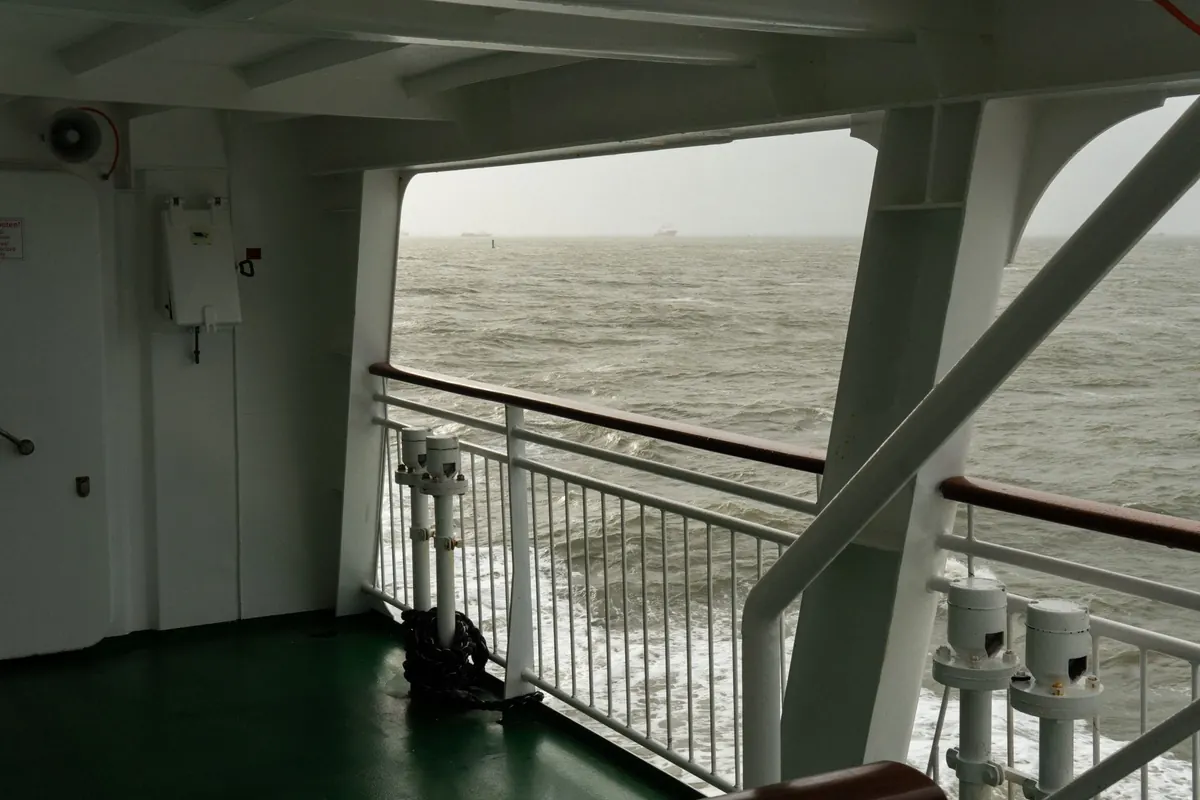
You have loaded the car, checked the passports twice and allowed what felt like generous time for the crossing. Then the departure board changes, the tannoy crackles, and the sailing you booked is delayed by three hours — or cancelled altogether. For anyone living on or visiting an island, that moment is familiar. The good news is that most disruption has a handful of causes, and the rules on refunds, assistance and compensation are more generous than many passengers assume.
Weather is the single biggest factor. Ferries are far more exposed than trains or planes, and a berthing manoeuvre that works in a gentle breeze can become unsafe in a strong crosswind. Fog slows everything down, because masters must navigate at reduced speed and port traffic is controlled. Swell matters even on a calm day — a swell running against a tidal current at the harbour mouth can make an approach impossible, which is why a bright, still afternoon crossing sometimes gets pulled.
Ferries are complex vessels with engines, generators, thrusters, ramps, lifts and safety systems that must work before a sailing is lawful. A single failed component can take a ship out of service for days. Most operators run tight timetables with few spare vessels, so when one ship is withdrawn, the rest of the fleet absorbs the passengers — and something has to give.
Many island ports can only be used within a tidal window. Low water may leave insufficient depth at the linkspan; silting and dredging schedules can narrow that window further. If a ship misses its slot, the next one may be hours away, because the tide will not wait for the timetable.
Crew must be rested and correctly certificated for the vessel and route, so illness or a transport problem for staff can cancel a sailing. Port-side issues — a broken berth, a stuck vehicle ramp, freight backlog, industrial action — do the same. And delays cascade: a ship running an hour late at midday is often still late at 19:00, because turnaround times are short and there is no slack to recover.
A few minutes of checking the night before can save a whole day of sitting in a terminal car park.
Ferry passengers in the UK are covered by maritime passenger rights rules, which apply to most scheduled services carrying more than a small number of passengers. The detail depends on the operator and the length of the journey, but the core entitlements are consistent.
Keep your ticket, booking reference and any receipts. A claim with evidence takes minutes; a claim without it can drag on for weeks.
Severe weather that genuinely makes sailing unsafe, and other extraordinary circumstances outside the operator's control, usually excuse compensation. Assistance — food, drink, accommodation, rerouting — should still be offered. Compensation rules also say nothing about missed flights, lost hotel nights or missed work: those are consequential losses, and ferry operators rarely cover them. That is what travel insurance is for, so check your policy before you travel and keep the paperwork if you need to claim.
This is general guidance rather than legal advice. If a claim is worth a significant sum, or an operator refuses to engage, it is worth taking advice from Citizens Advice or a solicitor.
Build a buffer into the day. If you have a flight, a wedding or a hospital appointment on the mainland, aim to cross the day before — the extra night's accommodation is often cheaper than the alternative. Travel on the earliest sailing you can bear, because delays accumulate through the day. Pack medication, chargers and a change of clothes in the car rather than the boot, in case you end up on a different vessel. Charge your phone, save the operator's customer service number, and keep booking confirmations somewhere that works without a signal.
Finally, be kind to the people at the terminal. They are working from the same information you are, and in a gale on a Tuesday in February, they would rather be sailing than explaining. Patience will not move the weather, but it does make a long wait more bearable for everyone standing in it.
Photo: Alex Fu / Pexels
Practical ways to keep island high streets trading through the quiet months, from small weekly habits to...
A practical winter island packing guide covering waterproofs, warm layers, torches, offline maps and...
From off-island and the boat to grockle and island time, here are the twenty terms you'll hear most on an...